
William Foster
Chief Curator & Author · 6 min read
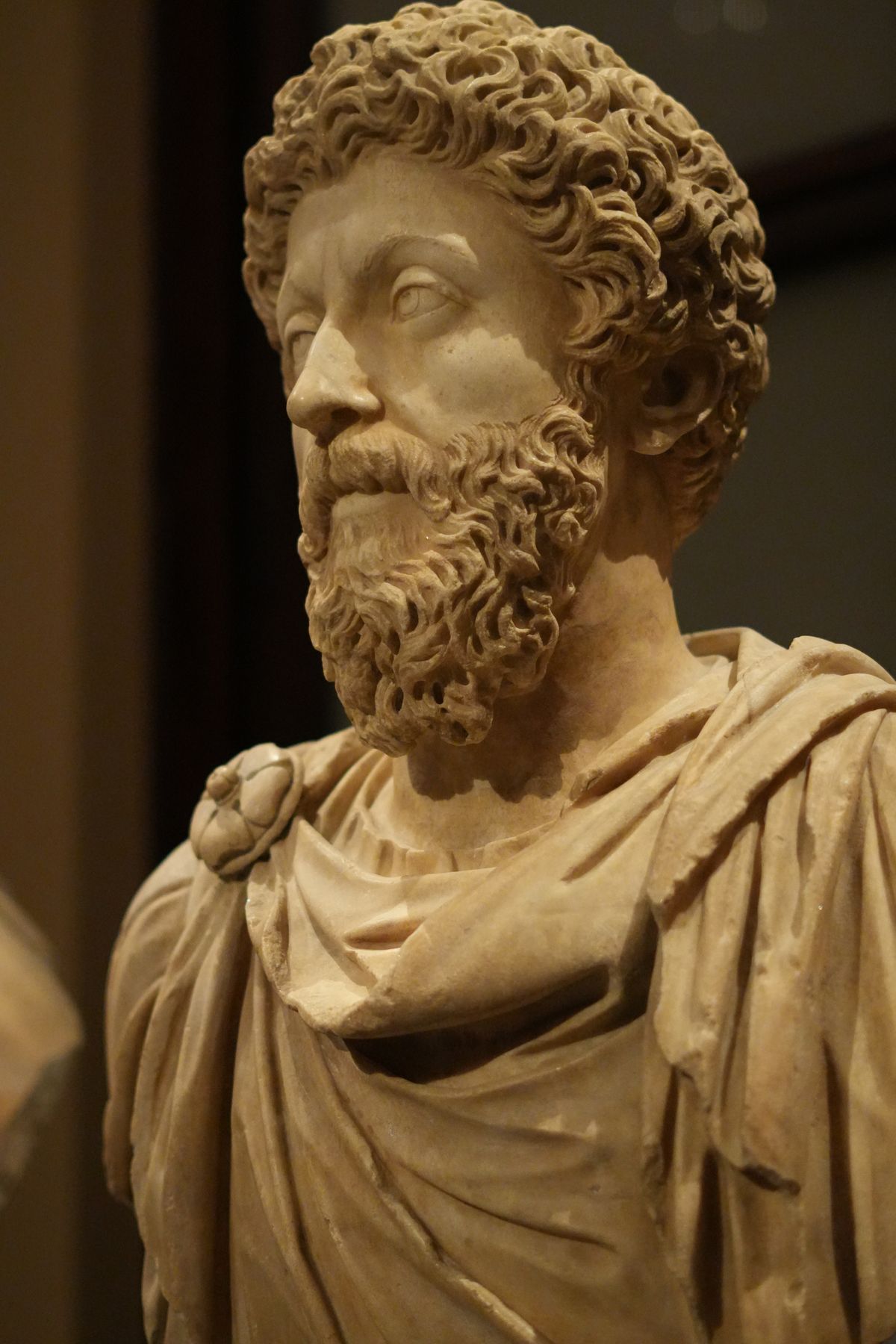
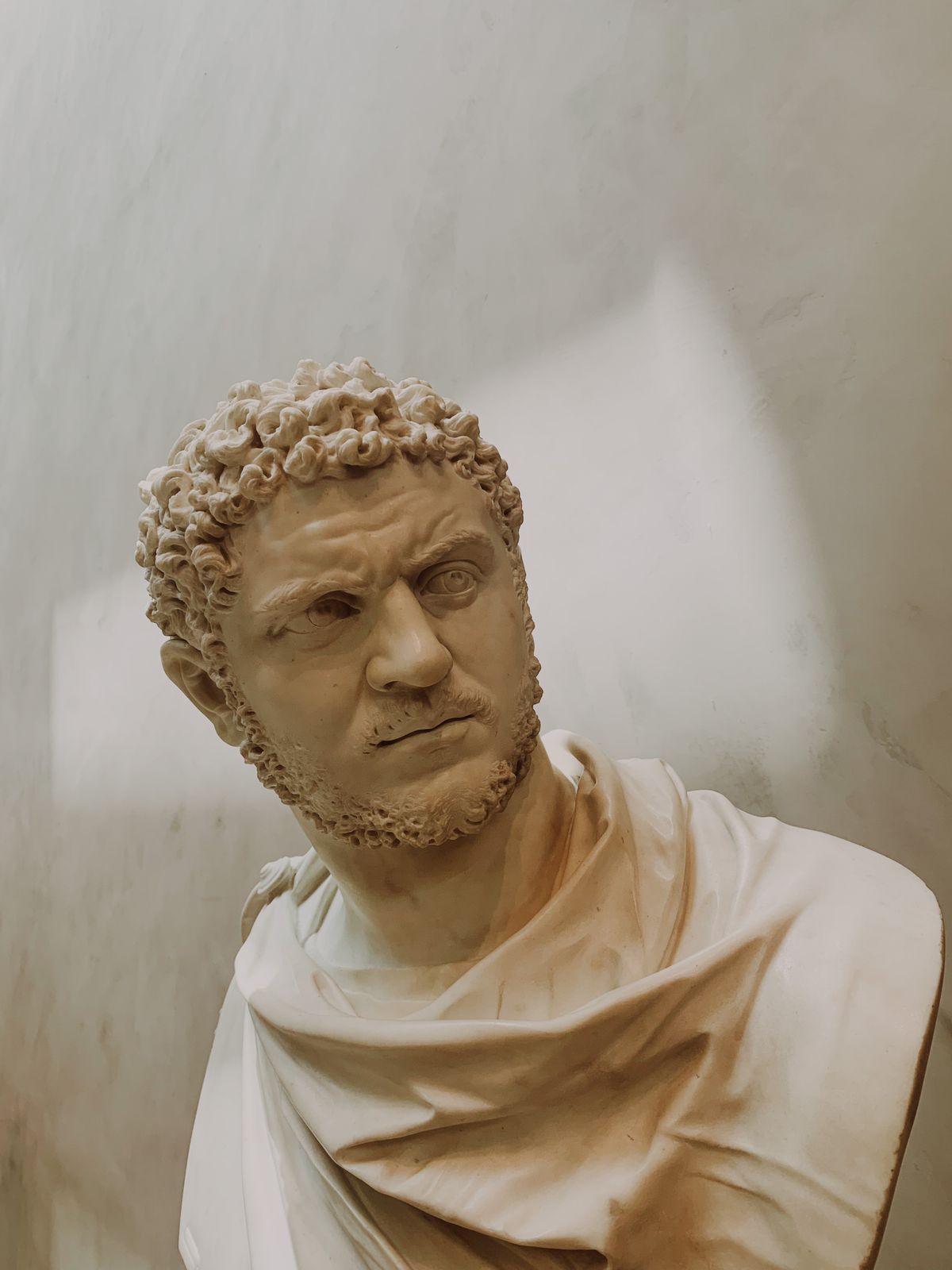
Stand before a Roman portrait bust and you are looking at a copy of a copy. The Greek bronze originals are almost all lost — melted down for weapons and coins centuries ago. What survives is Rome's marble translation, and that accident of history shaped everything Western sculpture became.
From bronze to marble
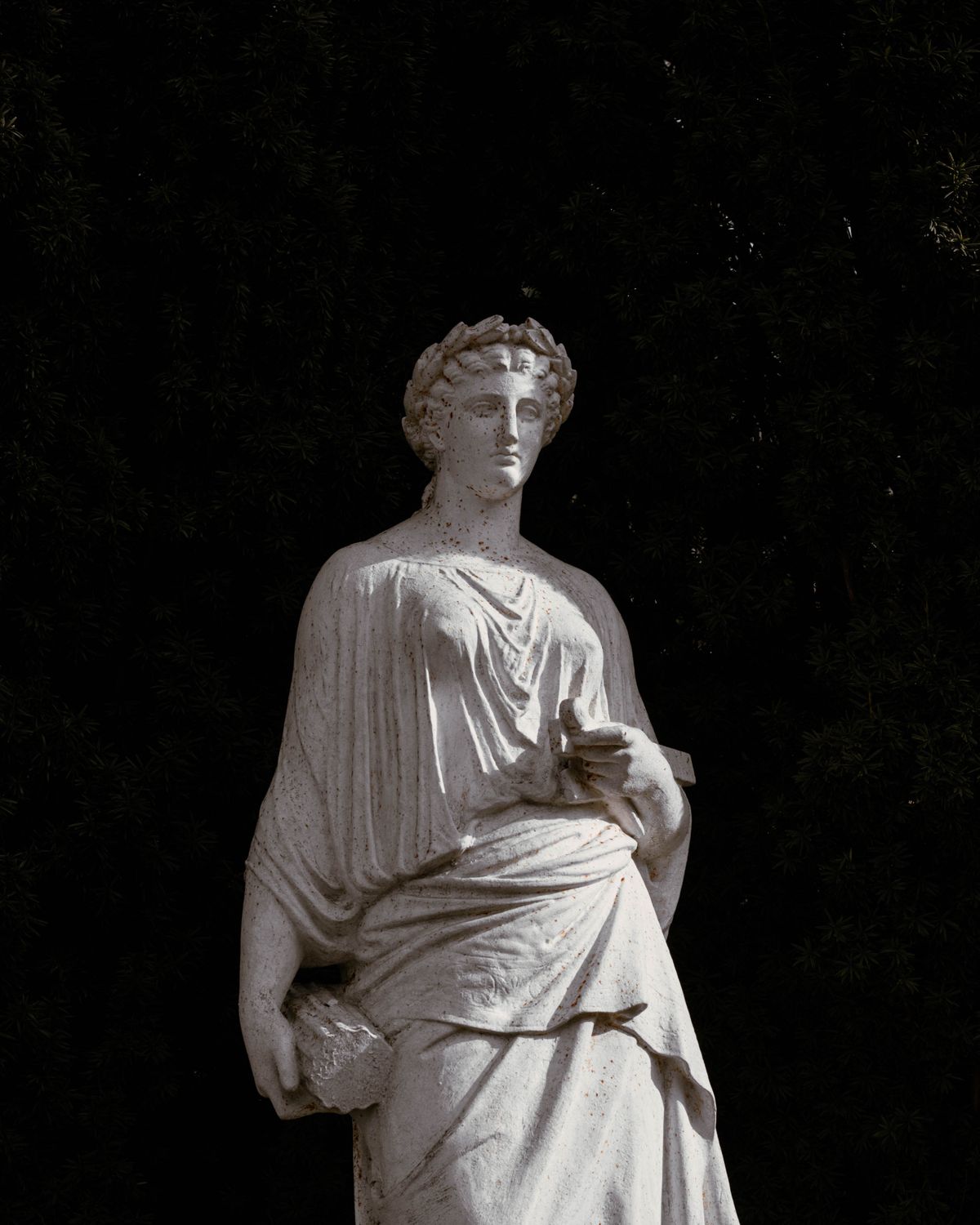
Greek sculptors worked in bronze: light, tensile, able to hold a pose mid-stride. Roman carvers worked in marble: heavy, brittle, demanding supports — the tree stump beside a leg, the strut behind a cloak. Our Germanicus shows the compromise beautifully: a Greek ideal of youth rendered with Roman attention to the individual face.
Why the ideal survived
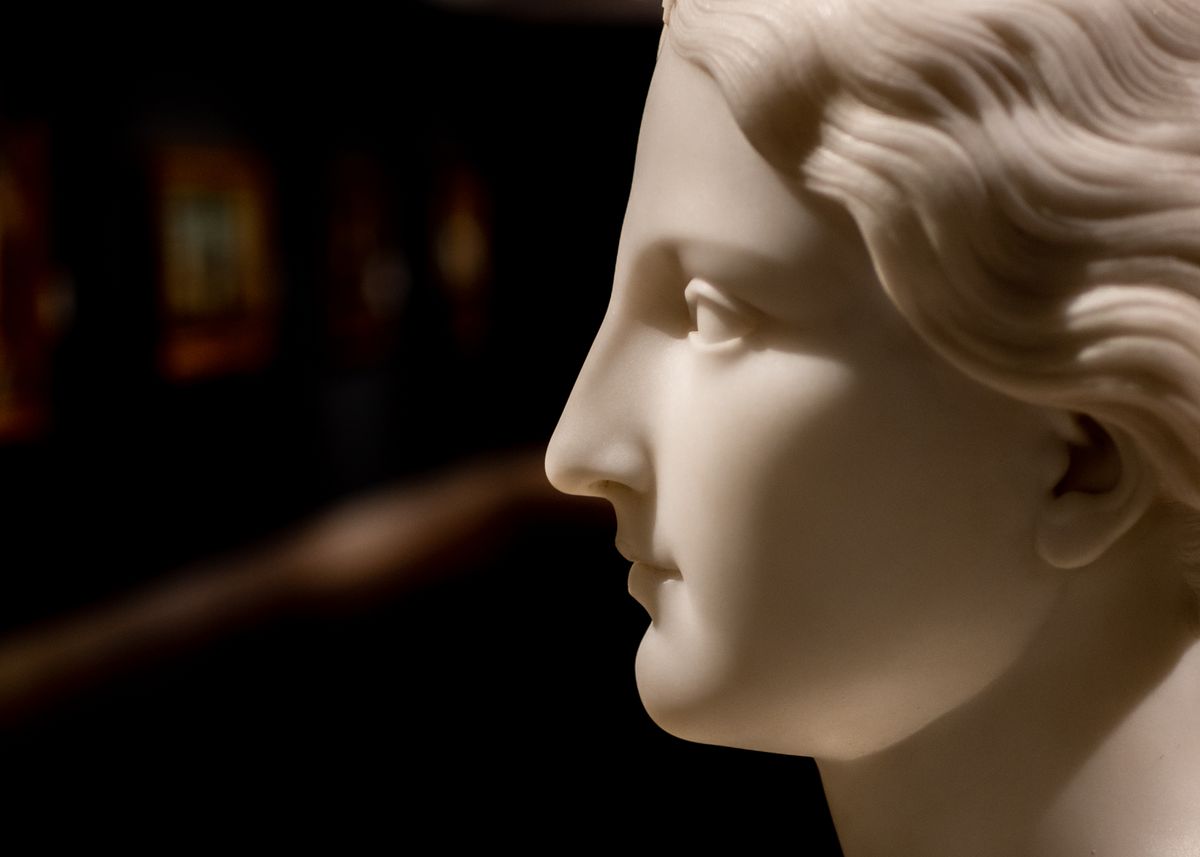
Renaissance sculptors learned from Roman copies, Baroque sculptors theatricalised them, and neoclassical carvers purified them again. Each century claimed to return to the source while quietly adding its own anxieties. That is why our sculpture rotunda pairs a Venus of Arles with a nineteenth-century response — the conversation across centuries is the point.
Every copy added something. That is not corruption — that is tradition.
See it in person
The works in this essay stand in the north wing's Sculpture Gallery, lit from above as marble was meant to be seen. Join the Saturday handling session to feel carve marks for yourself — or book a guided tour and let our curators walk you through two thousand years in ninety minutes.